
Rosacea treatment can do wonders for calming redness and restoring confidence. But once the session is over, how you care for your skin can make a big difference in how well it heals. Knowing what to avoid after a rosacea treatment session helps protect your results and prevent unwanted irritation.
Understanding Rosacea
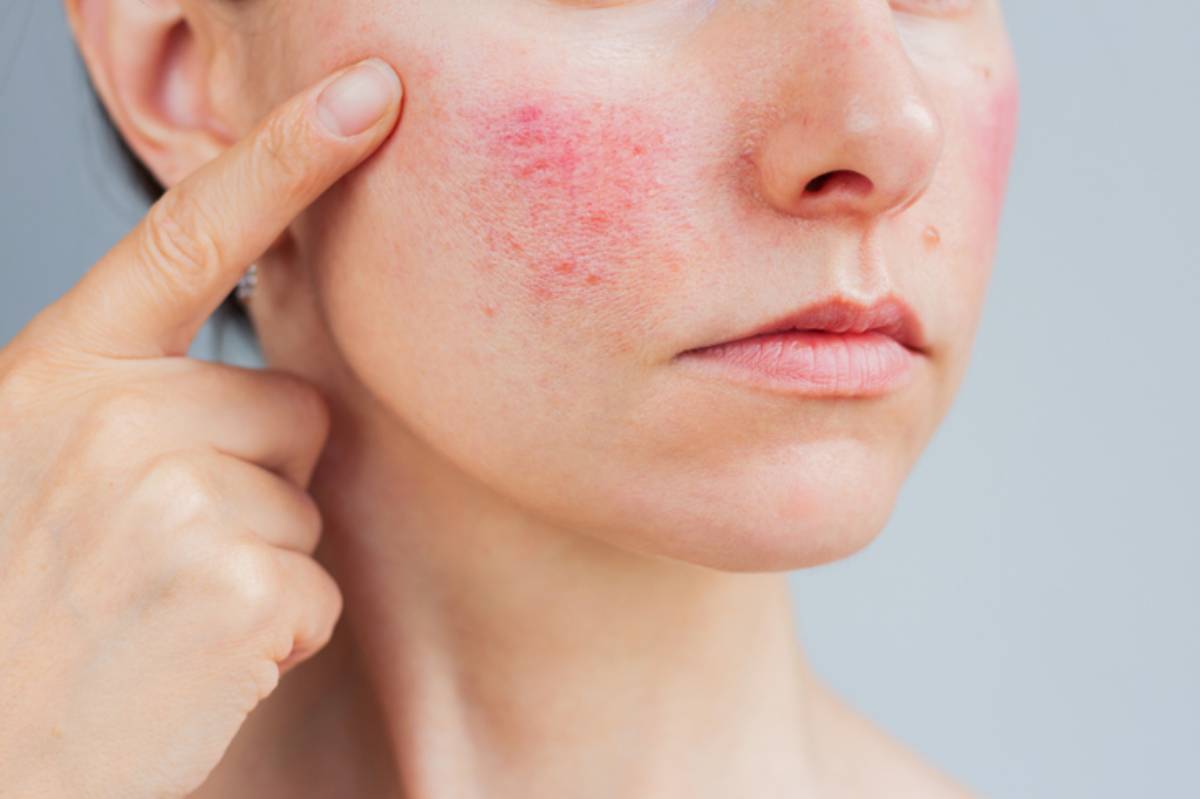
Rosacea is a long-term skin condition that appears as redness, often like flushed cheeks, and visible blood vessels across the forehead, nose, and cheek area. Many people also notice their skin becoming more sensitive, dry, or easily irritated, sometimes with small acne-like bumps that come and go. Flare-ups often happen in response to everyday triggers—like heat, stress, spicy foods, or certain skincare products—making the condition feel unpredictable at times. Because Rosacea affects both how your skin looks and how it feels, understanding its symptoms can help you better manage it and get the most out of your treatment. Establishing this foundation makes post-treatment care even more important for keeping your skin calm and your results on track.
Why Post-Treatment Care Matters
Dermatologists use different treatments—such as laser therapy, light-based procedures, or prescription creams—to reduce inflammation and improve skin texture. After treatment, however, the skin can be extra sensitive. The wrong products, foods, or habits can trigger flare-ups or slow recovery.
What to Avoid After Rosacea Treatment
The first few days after a treatment session are critical. Your skin is healing and adjusting, so it’s important to give it time and care.
- Avoid direct sun exposure. Freshly treated skin is more vulnerable to UV rays, which can cause redness or dark spots to return. Try to stay indoors for at least 48 hours, and when you go outside, apply a broad-spectrum sunscreen with SPF 30 or higher. Wearing a wide-brimmed hat can also help protect the treated areas. Consistent sun protection is one of the most effective ways to manage rosacea.
- Skip heat and sweat for a few days. Heat dilates blood vessels, which can make redness worse. Avoid really hot showers, saunas, or strenuous exercise until your dermatologist says it’s safe. Instead, keep your skincare routine cool and simple—lukewarm water and gentle cleansers work best.
- Avoid harsh skincare products. Post-treatment skin needs time to recover. Stay away from products that contain alcohol, fragrance, or exfoliating acids like AHAs and BHAs. These ingredients can sting or irritate sensitive skin. Choose mild, non-comedogenic products recommended by your dermatologist.
- If you typically use prescription topicals or retinoids, pause those until your provider gives you the go-ahead. It’s also a good idea to skip makeup for the first 24 hours to allow your skin to breathe. When you do start wearing it again, opt for mineral-based, fragrance-free options.
- Watch what you eat and drink. Common rosacea triggers include spicy foods, hot drinks, and alcohol—especially red wine. These can increase facial flushing and worsen symptoms, so try to avoid them for several days after your session.
Supporting Skin Recovery
Gentle care helps your skin heal smoothly. Keep it hydrated with a fragrance-free moisturizer, drink plenty of water, and avoid touching or rubbing the treated areas. Staying consistent with your dermatologist’s aftercare instructions helps your results last longer and reduce future flare-ups.
If you notice unusual redness, swelling, or discomfort that doesn’t fade within a few days, contact your dermatologist right away.
Professional Rosacea Care in Sarasota
If you want to reduce redness and restore a more even, comfortable complexion, Sarasota Dermatologist provides personalized rosacea treatments tailored to your skin’s needs. Their board-certified team takes the time to walk you through every step—before, during, and after your visit! Schedule a consultation today!